

Dental emergencies can happen to anyone at any time. It can happen when you are awake, when you are sleeping, when you are doing exercise, when you are taking, and when you are eating. It could cause a lot of pain, discomfort, and bleeding.
Dental Emergencies and Their Prevention
Common Types of Dental Emergencies
Here are some examples of dental emergencies that can happen unexpectedly:
Tooth Decay / Cavities
Tooth decay is one of the most painful dental issues, with many people describing it as one of the most painful experiences the body can endure.
Detached or Knocked-Out Tooth
A knocked-out or detached tooth can be traumatic and needs immediate attention to potentially save the tooth.
Cracked Tooth
Cracked teeth can cause significant pain and discomfort, depending on the severity of the crack.
Jaw Pain
Jaw pain can arise from various issues, including teeth alignment problems or even jaw misalignment.
Tooth Aches
Toothaches are common dental emergencies and may signal an underlying issue like tooth decay or infection.
Teeth or Gum Bleeding
Bleeding gums or teeth can result from gum disease or injury, which may need immediate attention to prevent further complications.
How Misaligned Teeth Contribute to Dental Emergencies
The dental emergencies above could happen easily if the teeth and jaw are not positioned properly. Crooked teeth cause extra stress when biting and chewing, and most importantly, it hinders effective teeth brushing because crooked teeth make it hard to clean all sides of the teeth. When the teeth are not well cleaned, tooth decay and tooth infections will eventually set in.
Most teeth emergencies can be prevented by regular brushing of teeth, but orthodontics treatments could make the prevention more certain, especially if you think your teeth don’t look the way they should look.
Orthodontic is a way of moving the teeth to improve their appearance and how they work. It involves the use of devices such as wires, braces, brackets, plates, retainers, headgear, and aligners.
People get orthodontic treatment to boost their self-esteem or to improve the appearance of their teeth and many people think that is all the treatment is about. In addition to improving facial look, orthodontic treatments help to improve speech, biting and chewing, and they help prevent dental emergencies.
What are the different orthodontic treatments or devices that can help you avoid dental emergencies?
Types of Orthodontic Treatments and Devices
There are various orthodontic treatments or devices that can help you avoid dental emergencies, including:
Braces:
Brace fixing is the most common orthodontic treatment. Braces are fixed appliances that consist of bands, wires or brackets. They are used to align and straighten the teeth, fix teeth gap, and help position the teeth with regard to a person’s bite. They can correct crowded teeth, overbites, under bites, open bites, reverse bite, cross bites, crooked teeth, and deep bites. In other words, they are used to correct flaws of the teeth and jaw. Treatment ranges from 18 to 24 months depending on the severity of the problem. Visiting and an orthodontist to fix braces is a right step towards the prevention of dental emergencies.
Aligners:
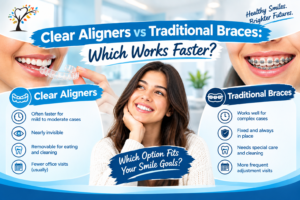
These perform similar functions as braces but they are not fixed. This means they can be removed for eating, flossing, drinking and brushing.
Palatial Expander:
This is used to create more space in the roof of the mouth.
Jaw Repositioning:
This is done with jaw repositioning appliances placed at the top or lower jaw. These appliances help the jaw close properly.
Retainers:
They are used to retain the teeth in their new, correct position.
Teeth Removal:
This is necessary only in rare cases. Teeth removal may be necessary to correct the position of nearby teeth.
Ready to Transform Your Smile?

Miami Orthodontist Group
Serving Miami & Doral, FL — Two Convenient Locations
Dr. Pedro J. Alquizar and his warm, bilingual team are passionate about creating beautiful, healthy smiles for patients of all ages. We offer Invisalign, braces, and advanced orthodontic treatments using the latest technology — all in a welcoming, upscale environment. Schedule your free consultation today!
Request Your Free Consult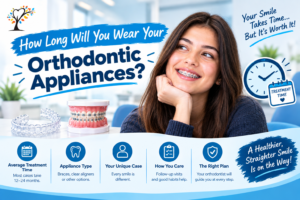
Miami Orthodontist Group
Your Miami Smile Specialists
Invisalign & Braces for children, teens & adults in Miami & Doral, FL. Two convenient locations — request your free consultation today!
Request Free Consult