
You can start an orthognathic surgery consultation in Miami, FL at Miami Orthodontist Group, where orthodontist Dr Pedro J. Alquizar and his team help you plan corrective jaw surgery with an oral and maxillofacial surgeon. During the visit, our professional team first evaluates your bite, jaw position, and symptoms. Then we explain whether surgery, braces, or both are suitable for you. Ultimately, you will leave with a clear next step, not confusion or more questions.
Jaw problems frequently do not fix themselves. It may affect how you chew, speak, and breathe. The American Association of Oral and Maxillofacial Surgeons (AAOMS) says that surgery can enhance breathing, chewing, and speaking when the jaw is misaligned. In this article, we will discuss who may require surgery, what to expect, and how to prepare.
Who Can Help You Plan Jaw Surgery in Miami?
Miami Orthodontist Group is a good place for an orthognathic surgery consultation. An orthodontist will work with an oral and maxillofacial surgeon to handle your care. This teamwork matters because the surgeon and orthodontist work together to perform the surgery. Because starting with a trusted orthodontist can make the process smoother.
The clinic, led by Dr. Alquizar, focuses on warm, family-style care. It provides Invisalign, Invisalign Teen, In-Ovation braces, and indirect bonding. This means patients can discuss jaw and everyday bite concerns with the same friendly team. It’s also a good idea to inquire about orthodontic solutions that might fit your plan during the session.
What Is Orthognathic Surgery?
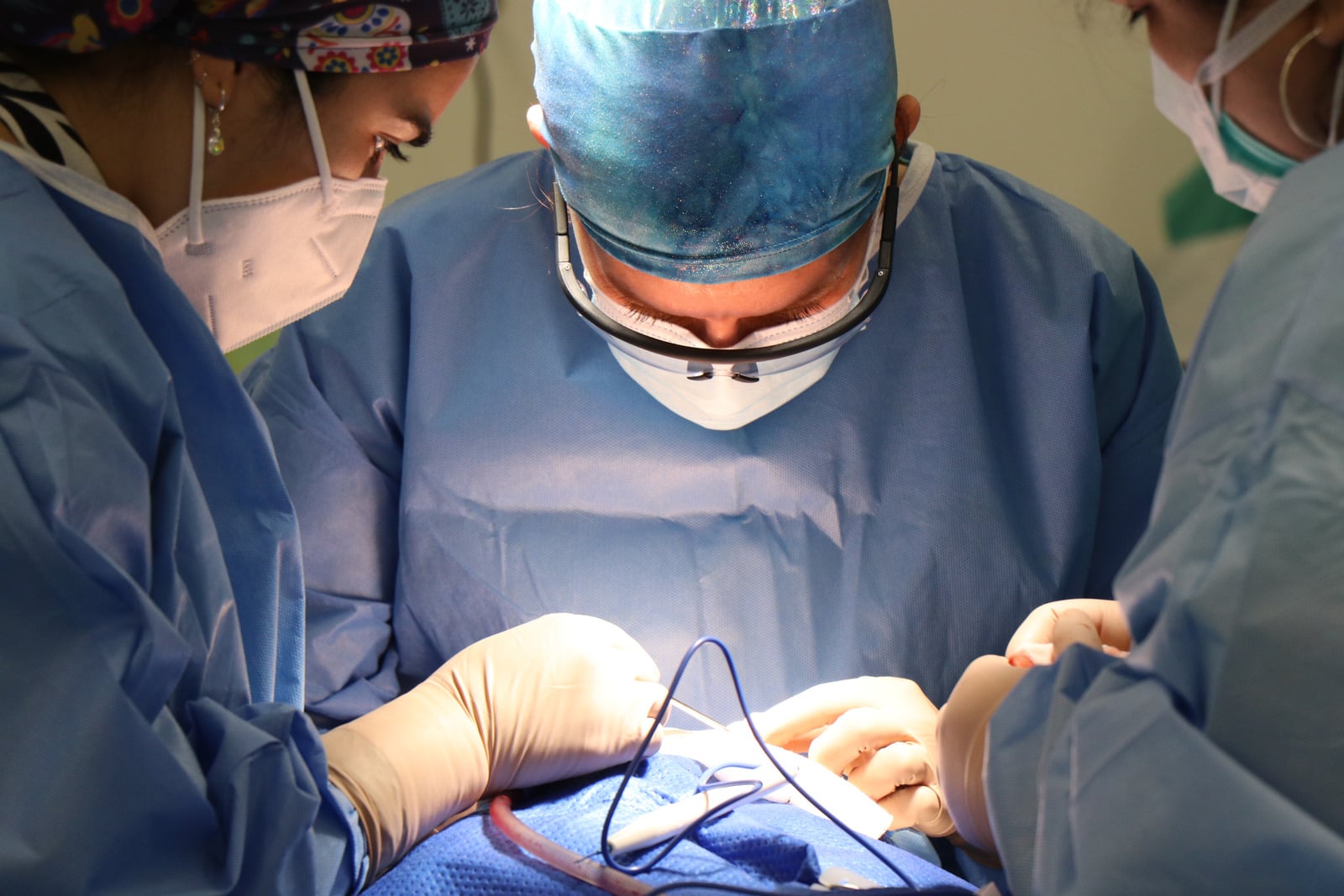
Orthognathic surgery, also known as corrective jaw surgery, realigns the jaws and teeth so you can bite, chew, speak, and breathe more comfortably. An oral and maxillofacial surgeon performs it, often working with an orthodontist. During treatment, the surgeon repositions the bones and uses small screws or a plate to keep them in place. In other words, it treats the bones that support your bite, not just the teeth.
Doctors use jaw surgery for growth-related jaw issues. It includes malocclusion, TMJ disorders, sleep apnea, and conditions present from birth, like cleft palate. It is often the next step when a problem cannot be treated with braces alone.
Who Needs Orthognathic Surgery?
People may require orthognathic surgery when the jaw is misaligned, not only the teeth. The AAOMS says that the cause can be a birth defect, uneven jaw growth, or an injury. An orthodontist can correct a bite when only the teeth are misaligned. But if your jaw is misaligned, you’ll be required to undergo surgery.
Which Signs May Point to Jaw Surgery?
Certain signs can be important to discuss during a consultation:
- Persistent headaches and pain in the jaw or TMJ
- Sleep apnea, which includes snoring and breathing difficulty during sleep
- An open bite, a protruding jaw, or a receding lower jaw
- Difficulty chewing, biting, or swallowing
- Severe tooth wear or an uneven face from the front or side
These symptoms do not indicate that surgery is necessary, but your dentist, orthodontist, and surgeon can decide it together. As jaw surgery is a big decision, it makes sense to ask relevant questions and take your time before selecting a plan.
What Happens During an Orthognathic Surgery Consultation?
During a consultation, your orthodontist evaluates your symptoms, bite, and jaw position. Then they explain whether surgery, braces, or both fit your situation. You should expect to be asked about your health, have your teeth closely examined, and have an open discussion about timing and goals. Then you’ll know what comes next. But keep in mind that a consultation is a conversation, not a commitment. So you are free to ask questions, consider your options, and make a decision at your own pace.
How Can You Prepare for Your Visit?
Make a list of your symptoms, like jaw pain, snoring, or trouble chewing. Bring details about previous dental or orthodontic treatment, as well as any medical history your care team should know. Additionally, note when the problems started and what makes them better or worse.
What Does the Full Treatment Path Look Like?
Treatment frequently involves braces before and after surgery. Wearing retainers is as important as braces once they’re removed. The table below shows the typical flow.
Stage | What Happens | Who Is Involved |
| Consultation | Exam, questions, and treatment planning | Orthodontist and surgeon |
| Braces before surgery | Teeth are lined up so they fit correctly after the jaw moves. | Orthodontist |
| Surgery | Jaw bones are realigned and held with screws or plates. | Oral and maxillofacial surgeon |
| Healing | The jaw heals over weeks to months. | Surgeon and orthodontist |
| Braces off and retainers | The final fit is checked, and retainers hold the result. | Orthodontist |
Why Does Teamwork Between the Surgeon and Orthodontist Matter?
Teamwork is important because the surgeon moves the jaw, while the orthodontist ensures your teeth meet correctly afterwards. If coordination is lacking, a well-aligned jaw may still result in a bite that feels off. This role comes together like this. Before surgery, braces align your teeth to line up once the jaw is repositioned. Then the surgeon realigns the bones. After that, your orthodontist fine-tunes your bite, removes your braces at the right time, and provides retainers. Each step builds on the last. So clear communication between both specialists is important because it helps your treatment run smoothly.
How Long Does Recovery Take After Jaw Surgery?
According to AAOMS, initial jaw healing requires about 6 weeks. But complete healing takes about 9 to 12 months. This healing time can vary from person to person, so your surgeon will provide a personalised timeline. But your orthodontic visits continue.
You can wear your braces after surgery, and retainers follow when the braces are removed. This can help protect your new bite. Because recovery takes months, planning for work, school, and meals can make the process easier. So, ask your surgeon about eating, activity, and regular visits so nothing catches you off guard.
What Should You Ask at Your Consultation?
You should ask what is causing your jaw problem, whether surgery is the best option, and what each step of treatment will involve. You should also ask who will be on your care team and how they will collaborate. You can also write down your own questions.
Bottom Line
Orthognathic surgery corrects a crooked jaw. It improves your breathing, speaking, chewing, and biting. Braces are frequently used both before and after surgery, along with retainers afterwards. Early planning is best because healing starts around 6 weeks and completes in about 9 to 12 months. Regardless of your choice, seeking professional advice in advance gives you more time to prepare.
If you’d like to explore an orthognathic surgery consultation in Miami, FL, we at Miami Orthodontist Group are ready to help you understand your options. Just book your appointment with us now to take the first step.
Ready to Transform Your Smile?

Miami Orthodontist Group
Serving Miami & Doral, FL — Two Convenient Locations
Dr. Pedro J. Alquizar and his warm, bilingual team are passionate about creating beautiful, healthy smiles for patients of all ages. We offer Invisalign, braces, and advanced orthodontic treatments using the latest technology — all in a welcoming, upscale environment. Schedule your free consultation today!
Request Your Free Consult

Miami Orthodontist Group
Your Miami Smile Specialists
Invisalign & Braces for children, teens & adults in Miami & Doral, FL. Two convenient locations — request your free consultation today!
Request Free Consult