
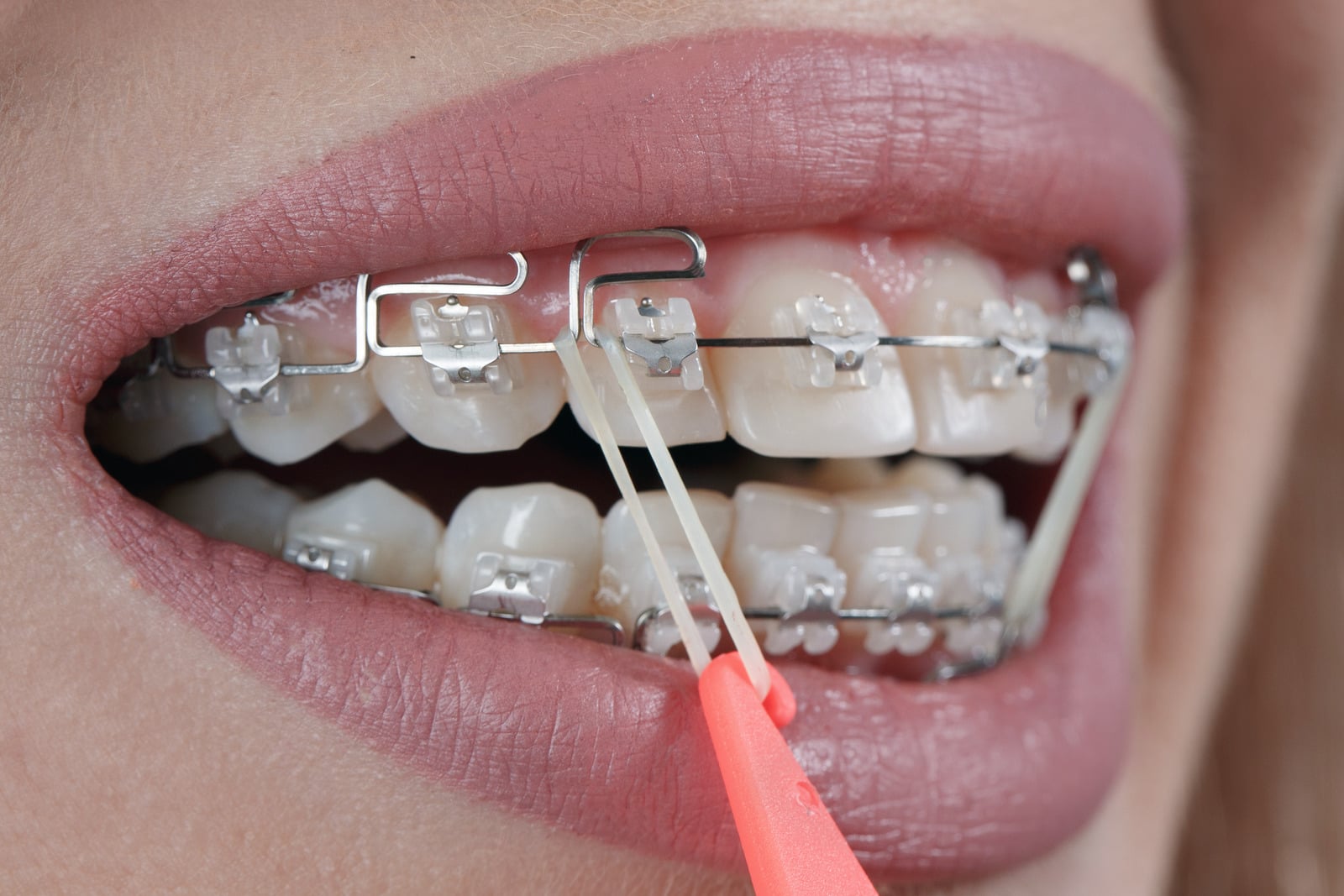
Orthodontic treatment improves your bite by slowly shifting misaligned teeth. It can shift your jaw into the position where your upper and lower teeth fit together properly. Braces, clear aligners, and special appliances all work by applying gentle, steady pressure over time.
A healthy bite matters for more than looks. It affects how you chew, speak, clean your teeth, and even how your jaw feels. In this article, we will discuss the main bite problems, how orthodontic treatment corrects them, and what to expect. If you live in Miami, FL, and want to know whether treatment is right for you, you are in the right place because at the end you’ll have enough information that can help you to make a better decision.
What Is a Healthy Bite, and What Happens When It Is Off?
A healthy bite means your upper and lower teeth fit together perfectly when you close your mouth. When it is off, the condition is called malocclusion, and it can affect chewing, speech, and gum health. The Cleveland Clinic says that this malocclusion condition affects approximately 56% of people worldwide, and up to 93% of children and adolescents have some degree of it, although not every case needs treatment. It also lists chewing and speech issues, gum disease, and jaw pain among the possible complications. According to the American Association of Orthodontists (AAO), one goal of orthodontic treatment is to make a healthy bite.
Which Bite Problems Can Orthodontic Treatment Correct?
Orthodontic treatment can correct overbites, underbites, crossbites, open bites, crowding, and spacing. Each issue affects the teeth differently, so your plan will vary depending on the type and cause.
Bite Problem | What Happens | Possible Effects If Untreated |
| Overbite (deep bite) | Upper front teeth hide too much of the lower teeth. | It can cause extra tooth wear, gum irritation, and jaw pain |
| Underbite | Lower front teeth are positioned in front of the upper teeth. | Wear, jaw strain, trouble chewing and speaking |
| Crossbite | It occurs when some upper teeth fit inside the lower teeth. | It causes jaw shifting, enamel wear, and gum problems |
| Open bite | It may result when upper and lower teeth do not touch when closed | Problems with chewing and swallowing, speech |
| Crowding | Insufficient space, so teeth overlap or twist | It is difficult to clean, leading to decay and gum disease |
How Does Orthodontic Treatment Fix an Overbite, Underbite, or Crossbite?
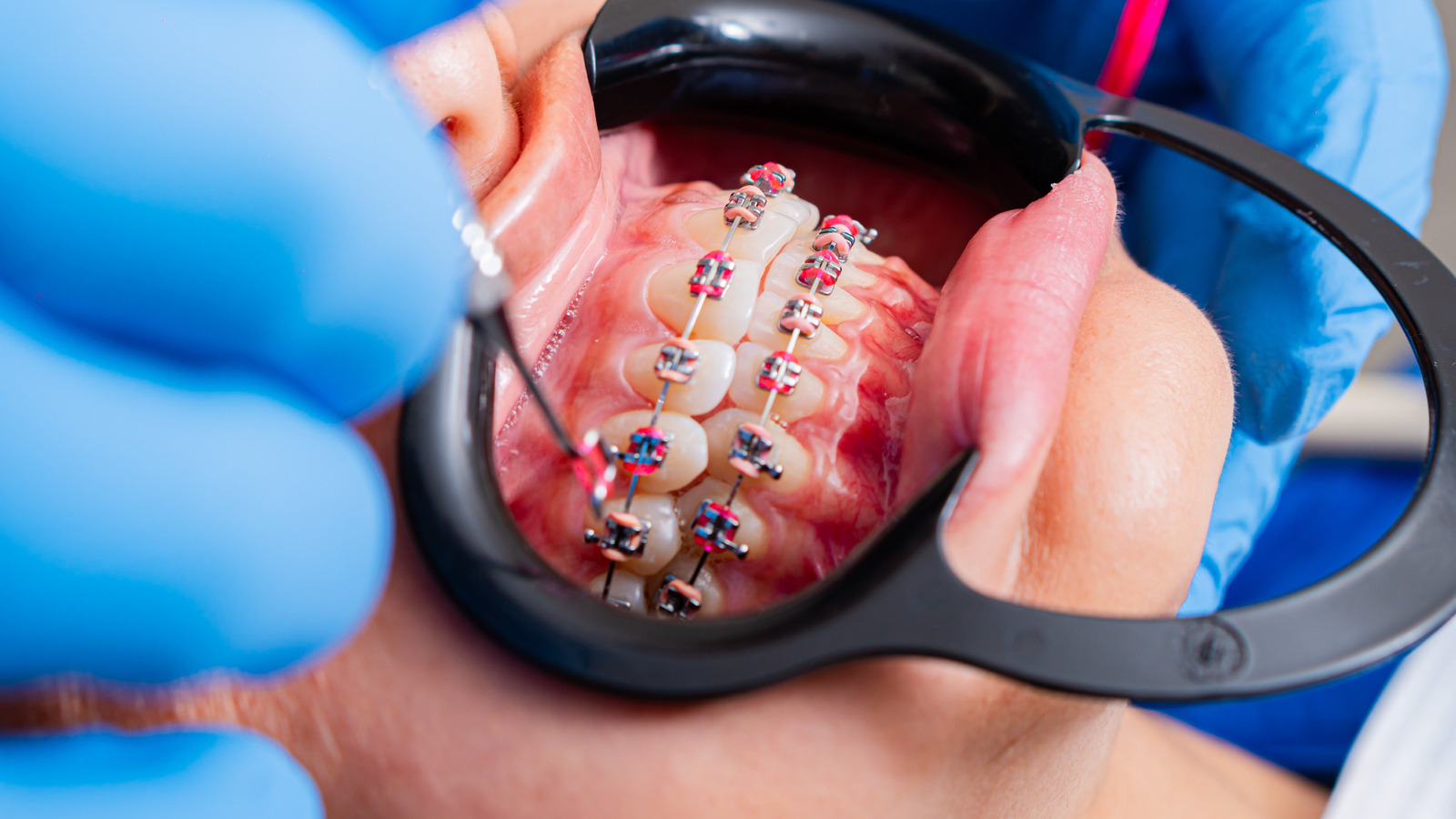
Orthodontists fix these bites by using braces, aligners, or appliances to move the teeth and guide jaw growth until the upper and lower teeth meet properly. But the exact method depends on whether the problem comes from the teeth or the jaw.
According to the AAO, a deep bite can cause excessive tooth wear if left untreated. A crossbite can shift the jaw to one side. The AAO also explains that underbites usually come from differences in how the upper and lower jaws grow. That difference matters, since a tooth-based problem often responds well to braces or aligners. But a jaw-based problem may need extra appliances or, in rare cases, surgery. Research lists braces, clear aligners, headgear, tooth extractions, and jaw surgery among the options for malocclusion. But the best route for you can only be decided by our Miami orthodontist.
How Can a Better Bite Protect Your Teeth and Gums?
A better bite divides chewing pressure evenly and makes your teeth easier to clean. This helps to protect your tooth enamel and decreases the risk of cavities and gum disease.
According to the AAO, crowded or overlapping teeth are very difficult to clean. This ultimately increases the risk of decay and gum disease. However, straighter teeth give your toothbrush and floss better access and make your oral hygiene more effective. Furthermore, an open bite increases the risk of loose or fractured teeth because back teeth may carry heavy bite forces without support from the front teeth. So, evening out the bite shares that pressure across more teeth. This increases the likelihood that your teeth will remain healthy for many years.
Can Orthodontic Treatment Help With Jaw Discomfort?
Orthodontic treatment can help with jaw strain for some people when a poor bite is part of the problem. However, it is not a perfect solution for jaw pain or TMJ disorders. A complete checkup is an effective way to find the cause.
According to the Cleveland Clinic, jaw pain is listed among the complications of malocclusion, and underbites put extra stress on the jaw joint. There are also many causes of jaw pain, including teeth grinding, injury, and joint problems. A Miami orthodontist will typically evaluate your bite, jaw movement, and symptoms before suggesting a plan. If your bite is likely contributing, aligning your teeth may help. Otherwise, you may require other care from a dentist or specialist.
What Are the Key Ways Orthodontics Improves Your Bite?
Orthodontics improves your bite by adjusting alignment and balancing chewing forces. Below is a summary of the key advantages.
- Corrects overbites and underbites. It helps reduce tooth enamel wear.
- Corrects crossbites that allow your upper teeth sit properly on the lower teeth.
- Closes open bites, making biting and chewing easier.
- Even out chewing forces; it stops any single tooth from taking too much pressure.
- Straightens crowded teeth to make brushing and flossing easier.
How Long Does Treatment Take, and How Do You Get Started?
Typically, bite treatment requires about two years. However, some people finish sooner, and others require longer. But the duration of your treatment may depend on the complexity of your case, your dental health, and your jaw structure. According to the Cleveland Clinic, it requires about two years on average to complete malocclusion treatment. Some people require braces for only a few months.
Frequently Asked Questions
How does orthodontic treatment improve your bite?
It shifts your teeth and sometimes helps align your jaws so the upper and lower teeth meet properly.
How common are bite problems?
According to the Cleveland Clinic, malocclusion affects approximately 56% of people worldwide. However, not every case requires treatment.
Can adults improve their bite?
Yes, adults may frequently improve their bite with braces or clear aligners. An orthodontist can confirm which option fits.
Will orthodontic treatment fix jaw pain?
It may help when a poor bite is the cause, but it is not guaranteed. An exam can find the source.
How long does treatment take?
Typically, it takes two years, according to the Cleveland Clinic. Your timeline depends on your case.
When should children get a bite checkup?
According to the AAO, bite problems are best treated while a child is still growing. So earlier checkups are very effective.
Final Thoughts
Orthodontic treatment improves your bite by straightening your teeth and jaws. It can make chewing simpler and teeth easier to clean. Early care is very effective, but adults can also get benefit from this. At Miami Orthodontist, we can help you find the right plan. To get started, book an appointment with a Miami orthodontist. The visit typically includes an exam, X-rays or scans, and a discussion of your goals. Then, you will get a realistic timeline and treatment plan with options that include metal braces or clear aligners. You can also inquire about retainers.
Ready to Transform Your Smile?

Miami Orthodontist Group
Serving Miami & Doral, FL — Two Convenient Locations
Dr. Pedro J. Alquizar and his warm, bilingual team are passionate about creating beautiful, healthy smiles for patients of all ages. We offer Invisalign, braces, and advanced orthodontic treatments using the latest technology — all in a welcoming, upscale environment. Schedule your free consultation today!
Request Your Free Consult
Miami Orthodontist Group
Your Miami Smile Specialists
Invisalign & Braces for children, teens & adults in Miami & Doral, FL. Two convenient locations — request your free consultation today!
Request Free Consult