Let’s be honest—getting Invisalign feels like a big step. You’re excited about finally straightening your teeth without the metal brackets, but there’s also that little voice wondering, “Am I doing this right?” And honestly, that’s a fair question. Because while Invisalign can deliver excellent results, a few small daily habits can either make your progress smooth and fast or slow it down big time.
So, if you’ve started your Invisalign journey (or you’re about to), let’s talk about the five everyday habits that can make or break your results. Think of this as a friendly chat with someone who’s been there—because most people only realize how much the little things matter after they’ve messed up a tray or two.
1. Wearing Your Aligners Consistently (Yes, 22 Hours Really Means 22 Hours)
Let’s start with the most essential rule: wear your aligners as much as possible—ideally 22 hours a day.
Here’s the deal: Invisalign works by applying gentle, consistent pressure on your teeth. If you’re constantly taking them out, that pressure stops, and your teeth start shifting back to where they were. It’s kind of like hitting the gym once a week and expecting six-pack abs. Consistency is everything.
One of my friends, Jenna, used to take her aligners out every time she had a coffee. “It’s just a few minutes,” she’d say. But those “few minutes” turned into a few hours every day, and by her next appointment, her teeth hadn’t moved as planned. She had to wear the identical trays for two extra weeks to catch up.
So yes—22 hours means 22 hours. You can take them out for eating, brushing, or the occasional event, but make sure they’re back in right after. The more you stick to the schedule, the faster and smoother your results will be.
2. Cleaning Your Aligners (and Your Teeth) the Right Way
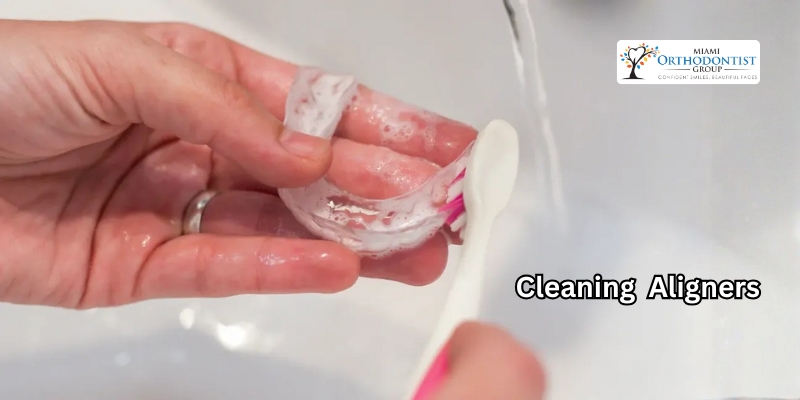
Here’s something many people overlook: your aligners need cleaning just like your teeth do. If you don’t, you’re basically trapping bacteria inside those trays—and that’s not a good combo.
At the very least, rinse your aligners every time you take them out. Then brush them gently with a soft toothbrush (no toothpaste—it can scratch them). You can also soak them in Invisalign cleaning crystals or a mild retainer cleaner once a day.
And don’t forget about your teeth. You should always brush and floss before putting your trays back in. Otherwise, you’re sealing in bits of food and sugar against your enamel for hours, which can lead to cavities and bad breath.
One orthodontist I spoke with once said, “Most Invisalign problems aren’t from the trays—they’re from poor hygiene habits.” It’s true. The cleaner you keep your mouth and aligners, the better your treatment goes.
3. Avoiding Stain-Causing Drinks (Unless You Love Yellow Trays)
Okay, let’s talk coffee. Or wine. Or tea. Basically, anything that can stain your aligners—and your teeth.
Even though Invisalign trays are technically “invisible,” they’re not immune to discoloration. If you drink coffee or red wine with your aligners in, they’ll start to pick up that tint, making them look cloudy or yellow. And here’s the kicker: the stains can also transfer to your teeth, leaving uneven coloring when you’re done with treatment.
Now, this doesn’t mean you have to give up your morning latte forever. Just be strategic. Take your aligners out, enjoy your drink, and rinse your mouth (and the trays) before popping them back in.
A friend of mine learned this the hard way during her first week. She kept her aligners in while sipping iced coffee on her commute—and by day three, her trays looked like they’d been dipped in caramel. Let’s say she never made that mistake again.
4. Following Your Change Schedule (and Not Rushing It)
You might be tempted to switch to the next tray early—especially if your current one starts to feel loose. Don’t. Invisalign trays are designed to move your teeth in small, controlled steps. Changing trays too early can cause soreness, shifting, or even throw your alignment plan off track.
On the flip side, forgetting to switch trays on time can slow your progress. If your orthodontist says to change trays every 10 days, set a reminder on your phone. Treat it like brushing your teeth—a simple part of your daily routine.
Invisaligns are not one of those things you get used to overnight. No. Once you get them in, you will notice it is about consistency and timing. Make sure to stick to your orthodontist’s schedule. This will help you achieve your results faster.
5. Keeping Up With Check-Ins and Monitoring
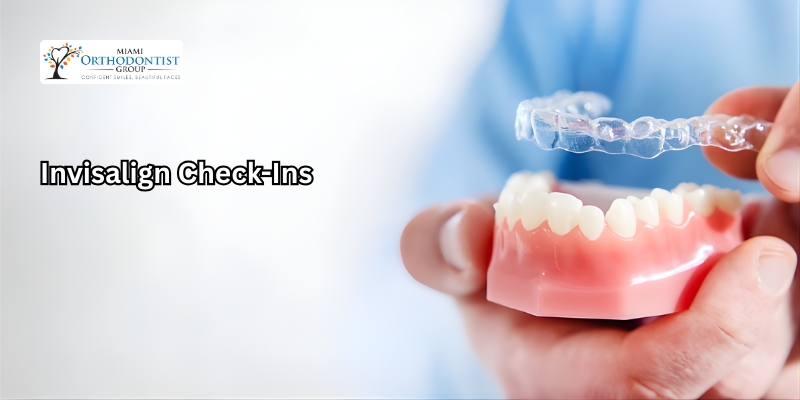
Many people think that once you set up your Invisalign, you don’t have any business with the dentist anymore. But that’s not true. Regular check-ups with your orthodontist are important. They are not just formalities.
Sometimes, a tray might not fit perfectly, or your teeth might shift slower (or faster) than expected. That’s totally normal, but it’s something your orthodontist needs to see in person. Skipping appointments or ignoring discomfort can lead to bigger problems later.
If your orthodontist uses a digital app for check-ins, don’t skip those either. They can spot issues early and adjust your plan before it becomes a setback.
Here’s a quick story: A college student I met at a dental event skipped two appointments during finals season. By the time she went back, her teeth had shifted unevenly, and she had to backtrack two trays. A simple check-in could’ve saved her a month of treatment time.
Bonus Habit: Being Patient
Let’s be real—Invisalign is convenient, but it’s not instant. You’ll notice small changes early on, but the big reveal takes time. Don’t stress if your smile doesn’t look “perfect” after a few weeks. Every tray gets you closer to the finish line.
Remember, your teeth have been in their current positions for years. Moving them safely takes time. The patience you show now will pay off later when you see those straight, even teeth smiling back at you in the mirror.
Final Thoughts
Invisalign is one of the easiest, most flexible ways to straighten your teeth—but it’s also a commitment. The aligners only work as well as the habits behind them.
If you:
- Wear them consistently,
- Keep them clean.
- Avoid staining drinks,
- Follow your tray schedule, and
- Stay on top of check-ins,
Then you’re setting yourself up for a smooth, predictable, and successful Invisalign journey.