

Correcting bite issues is vital for anyone who wants a perfect smile. While traditional methods can help, emerging advanced treatments make the process easy.
So, rather than time-consuming orthodontic procedures for bite correction treatments, which also require multiple visits to the orthodontist, people with malocclusion can opt for cutting-edge technology for a more significant dental transformation.
From 3D printing to digital imaging treatment planning, advanced technology is reshaping the limits of bite correction procedures. In this article, you will see the benefits of bite correction with modern techniques and the future of orthodontics.
What Does Bite Correction Mean?
In orthodontics, a malocclusion correction solution goes beyond straightening misaligned teeth. It involves dental health and a harmonious bite that works perfectly. The result of bite alignment therapy is that it arranges your bottom and top teeth, allowing them to function as they should. When bites are corrected, facial aesthetics improve, and patients with speech and eating difficulties enjoy optimal speaking and chewing after the procedure.
Why You Should Choose Advanced Technology Over Traditional Orthodontics
Orthodontic procedures can be traditional or advanced. Both options are practical and noninvasive treatments for bite corrections. The therapy has restorative benefits, perfectly fixing all kinds of bite problems.
Some orthodontic therapies are non-surgical bite corrections, including aligners, braces, lingual braces, and retainers. However, advanced technologies in bite corrections are a fascinating option, and this method is progressing exceptionally.
Advanced technology is transforming orthodontics like never before. Tools like Invisalign, iTero scanners, and dental monitors now help orthodontists design flawless solutions tailored to each patient’s unique needs.
Some Advanced Technologies in Bite Correction Treatment
With orthodontic technology, the future seems brighter for those needing to correct their bad bites quickly. There are many orthodontic technologies to watch out for, including the following:
Digital Radiography
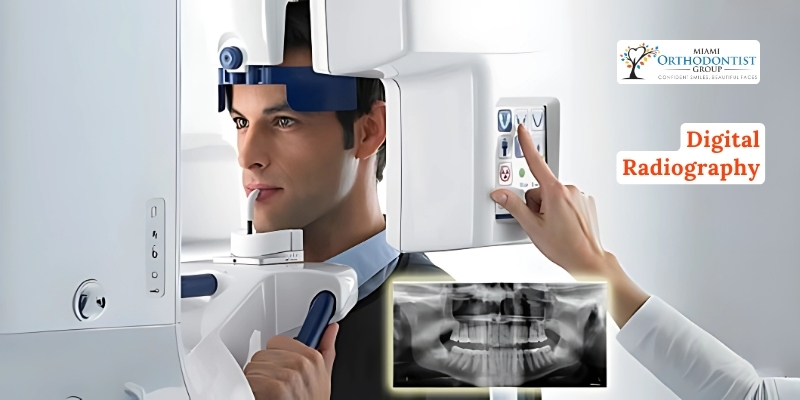 Malocclusion correction solutions quickly advanced into a technological process known as digital radiography. This progressive dental imaging procedure utilizes radiographic methods with wireless and wired detectors instead of film for orthodontic bite adjustments. This technique requires sensors, computer hardware, an X-ray unit, scanning appliances, and computer software for storing and transmitting dental impressions.
With traditional X-rays, a dentist takes up to 20 minutes to identify and address a dental problem, but digital radiography differs. It is designed to transform diagnostic processes by offering a more accurate and faster patient experience. Standard X-ray methods use analog images during bite alignment therapy. However, advanced options convert these into digital images, capturing impressions in pixels. These detailed images make it clearer to identify a patient’s dental health.
With this bite correction treatment, digital radiography offers improved accuracy, faster diagnosis, and enhanced patient comfort. In addition to the benefit of bite correction, digital radiography reduces the need for chemical processing and film, making it the best procedure for reducing waste and environmental impact. It is also easy to store, share, and retrieve images, which promotes better communication between patients and specialists.
Cone Beam Computed Tomography
Another revolutionary dental imaging technique is cone beam computed tomography (CBCT). This cutting-edge technology allows a dentist to thoroughly evaluate a patient’s jawbone and accurately diagnose the oral and maxillofacial region.
CBCT is imaging equipment that uses a cone-shaped X-ray beam to capture detailed impressions of soft tissues, bones, and teeth. However, its use is limited in orthodontic bite adjustment therapy because it emits higher radiation than traditional dental X-rays.
Dentists use or prescribe cone beam computed tomography when a typical facial X-ray is insufficient. The CBCT images are more precise, as they capture underlying tissues, nerve paths, and bony structures of the Three-dimensional printers, otherwise known as 3D printers, have transformed many industries, including dentistry. They are an advanced technology in bite correction treatment that involves digital imaging, printing, and helping design a patient’s custom implant.
For instance, when your orthodontist interprets your dental problem using 3D impressions, it becomes easier to create your treatment plan. The orthodontist uses a printer to transmit dental images to a plastic model and then designs an implant according to your specifications. This technology creates 3D models of the gum, teeth, Invisalign, aligners, and other orthodontic devices.
After creating accurate 3D models, custom teeth straightening appliances that apply the advanced technology of a thermoforming device are fabricated. This appliance specifically molds the devices to suit the unique contours of a patient’s teeth and mouth, and the 3D models guide them.
Itero Intraoral Scanners
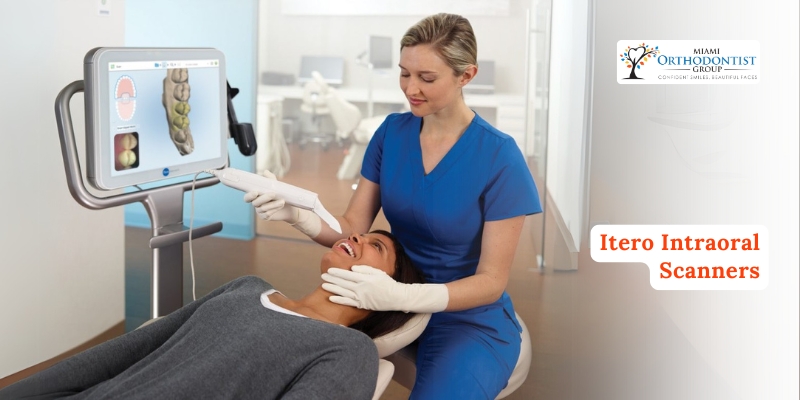 Since its launch in 2007, Itero Intraoral Scanners models have transformed the face of dentistry. They are advanced orthodontic devices that work perfectly with 3D technology. They capture accurate digital imaging of surrounding tissues and teeth, making it easy for dental professionals to view and evaluate a patient’s oral anatomy in a single scan.
The technology produces an accurate 3D dental image within minutes, reducing errors, re-scanning, and the need for a messy impression. Itero intraoral scanners also offer proper guidance for oral surgery and streamline orthodontic bite adjustments.
Dental Monitoring
Dental monitoring is another advanced technology in bite alignment therapy. It allows orthodontists to track a patient’s treatment efficacy and progress, make real-time adjustments, or take proactive measures through a reliable online dashboard.
With smartphone technology, dental innovation incorporates the Scanbox, the latest innovation in dental monitoring. The tool empowers patients to capture high-quality images of their teeth through their mobile devices. It is user-friendly and makes tracking bite correction treatment easy.
Conclusion
Orthodontic treatment is possible for individuals of all ages, from those seeking non-surgical bite correction to those seeking orthodontic bite adjustments for paralleled jawlines. The therapy commonly addresses all bite problems and sometimes fixes oral conditions through surgery. So, if your confidence matters to you, start by challenging yourself to achieve a healthier dental transformation. Traditional orthodontics are excellent, but advanced options smooth the journey to a straighter smile. Modern technologies like 3D printers, digital radiography, and dental monitoring are malocclusion correction solutions that can help you obtain the quality smile you want.
Ready to Transform Your Smile?

Miami Orthodontist Group
Serving Miami & Doral, FL — Two Convenient Locations
Dr. Pedro J. Alquizar and his warm, bilingual team are passionate about creating beautiful, healthy smiles for patients of all ages. We offer Invisalign, braces, and advanced orthodontic treatments using the latest technology — all in a welcoming, upscale environment. Schedule your free consultation today!
Request Your Free Consult


Miami Orthodontist Group
Your Miami Smile Specialists
Invisalign & Braces for children, teens & adults in Miami & Doral, FL. Two convenient locations — request your free consultation today!
Request Free Consult