Orthognathic surgery is often a life-changing treatment, as it corrects jaw misalignments, enhances facial aesthetics, and promotes better oral health. At the same time, many patients are concerned about their recovery time and the healing process. If you are considering having this surgery or have already scheduled it, you should be aware of the recovery process. It can be less stressful and go more smoothly when you’re aware of the recovery stages.
Here, we’ll discuss the recovery process following jaw surgery. We will also share tips for managing pain and swelling, as well as strategies to accelerate the healing process. Ultimately, you will gain a deeper understanding of the key surgery recovery tips that can help the process proceed more smoothly and comfortably.
What Is Orthognathic Surgery?
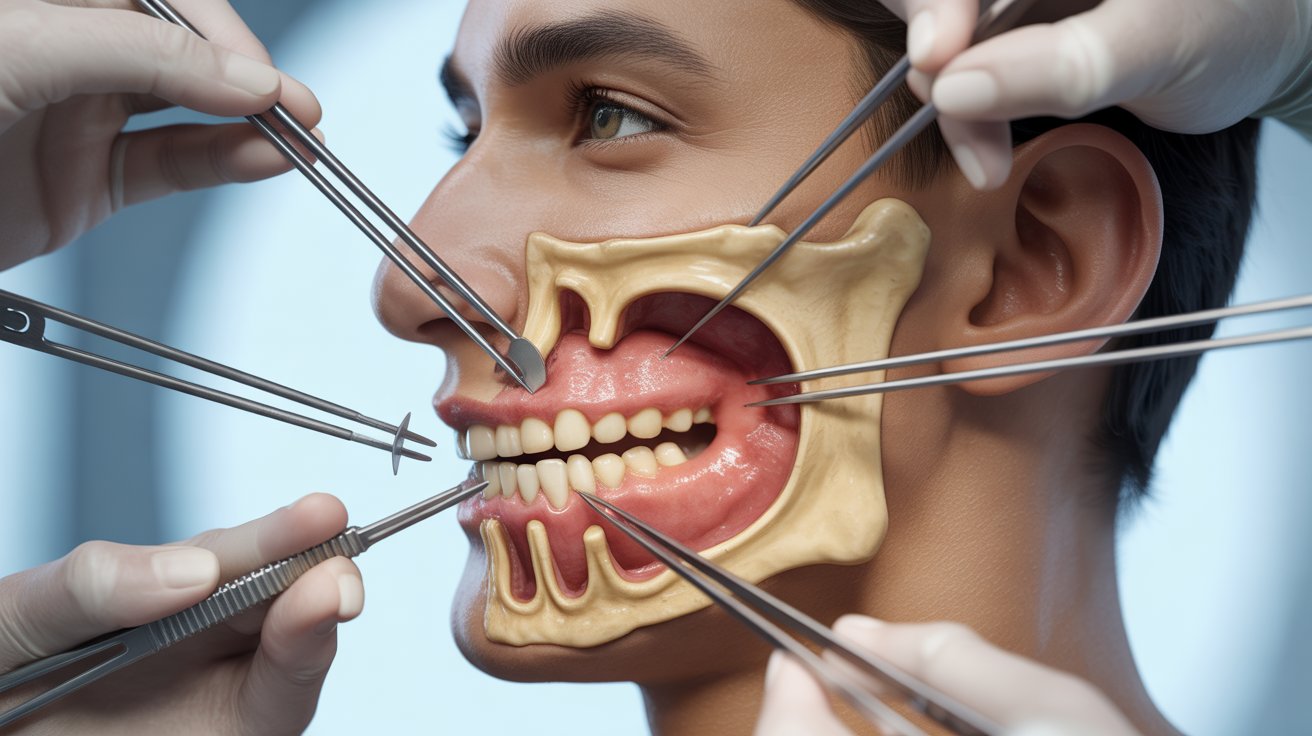
Orthognathic surgery is a treatment for misaligned jawbones. It usually involves adjusting the upper and lower jaws so that they align properly, which improves both function and appearance. For many patients, the results are life-changing, enhancing their ability to bite, chew, speak, and breathe.
Because orthognathic surgery includes significant changes to the jaw bones, it is considered a serious surgical treatment. That’s why recovery time depends on the patient and the complexity of the surgery.
The Recovery Time for Orthognathic Surgery
It’s important to understand that the full recovery process after orthognathic surgery will take time. Generally, the healing process takes six weeks to several months. This time duration may vary based on factors such as the surgical method, the patient’s overall health, and how thoroughly post-surgery recovery instructions are followed.
Immediate Post-Surgery Recovery: The First Few Days
The first three to five days after surgery are typically the most difficult times of recovery. During this time, the primary focus is on managing pain and swelling. It’s common to experience swelling during the healing process, so expect your face to appear swollen and bruised in the beginning. This is completely normal, and as your body continues to heal, the swelling will gradually decrease.
Key Points to Remember:
- Swelling will be worst in the first two to three days, but it should gradually reduce after surgery.
- Pain management is important during the early stages of recovery, and your surgeon will prescribe medication to help relieve discomfort.
- After jaw surgery, your diet will be mostly liquids and soft foods to allow your jaw to rest and heal properly.
Week 1 to 2: Adjusting to Changes
You will notice that the swelling has reduced after surgery by the end of the first two weeks, although your face may still feel tender. It is crucial to stay relaxed and avoid strenuous activity during this time. While most patients return home around this time, it is still important that they take things slowly and follow the surgeon’s pain management recovery instructions.
During the recovery process, your diet will still be essential. Most patients are advised to stick with soft foods, such as mashed potatoes, soup, or smoothies. These options make it easy to prevent straining your jaw while also protecting bone healing.
Week 3 to 4: Beginning to Return to Normal Activities
You’ll feel more like yourself after three to four weeks, but full healing after jaw surgery will still take several weeks to complete. At this point, most of the swelling should have reduced. Pain usually starts to ease, but you may still experience some mild discomfort or tightness.
During this time, it is essential to follow a diet after jaw surgery that is both nutritious and gentle on your healing jaw. Additionally, opt for soft, easy-to-chew foods instead of hard or crunchy ones. This is also a good time to start gentle jaw exercises as prescribed by your oral surgeon to prevent stiffness.
Returning to Normal: 6 Weeks and Beyond
Most patients can return to regular activities after about six weeks, although some swelling may remain. Also, Bone healing can take several months, so complete recovery requires time. At this stage, your jaw bones should be healing nicely; however, full recovery may take up to a year.
It’s important to keep following your surgery recovery tips at this time, as well as any specific instructions from your surgeon or orthodontist. This helps to make sure that your jaw heals properly and you get the best possible results.
What are the Factors That Affect Recovery Time?
Everyone heals differently, and several factors may influence how long it takes to recover after orthognathic surgery.
Type of Surgery
The complexity of the surgery plays a significant role in the recovery time. Some people simply require a minor adjustment to their jaw, while others need more significant changes. Generally, more complex surgeries require a longer recovery time.
Health and Age
Your overall health and age may affect your healing process. Younger people typically recover faster; however, maintaining a healthy lifestyle can help with recovery at any age. Health issues such as diabetes or smoking can slow down the healing timeline.
Post-Surgery Care
It is critical to follow your surgeon’s recovery instructions. This includes taking any prescribed medications, eating the proper foods, and following instructions on when you should start physical activity. If these instructions are not followed, recovery may take longer and involve a higher risk of problems.
Pain Management and Reducing Swelling

Managing pain and swelling is important in the early stages of recovery. You may experience moderate to severe discomfort following surgery, and your surgeon will most likely prescribe pain medications to help ease this.
Cold compresses can reduce swelling and make you more comfortable in the first few days after surgery. Keeping your head raised while resting can also help reduce swelling. During the healing process, swelling will decrease gradually. When the swelling has subsided after surgery, the majority of the soreness and discomfort should be gone.
Surgical Downtime: What to Expect
During surgical downtime, it’s essential to refrain from your usual activities. The period of downtime varies according to the complexity of the surgery. During this time, your major focus should be rest and healing. It is a good idea to prepare ahead of time for work or school and to ask for assistance with household duties, as your physical capacity will be limited.
Final Stages of Recovery: Bone Healing
During the final stage of recovery, bone healing is the main focus. The bones in your jaw will slowly fuse and stabilize over time, and it may take many months for the bone to set completely. You can return to work or school after a few weeks. However, complete recovery from jaw surgery, especially bone healing, will take much longer.
The healing time after jaw surgery can range from six months to a year. During this time, some minor effects, such as swelling, can last for up to 12 months. During this period, it’s important to follow your surgeon’s instructions and attend follow-up consultations to track your progress.
Why Choose Miami Orthodontist Group for Orthognathic Surgery?
Miami Orthodontist Group is the trusted choice for orthognathic surgery, offering specialized treatments for children, teens, and adults. Our team of experts is dedicated to improving tooth alignment, enhancing smiles, and boosting confidence. We focus on providing personalized care to help you achieve your best smile.
If you’re in Miami and seeking to improve your oral health, our experienced professionals are here to help. Feel free to reach out to us anytime, either in person or through our online resources, to learn more about how we can assist you.
Conclusion
Orthognathic surgery recovery requires patience and time. Most people can return to their normal activities within six weeks. In most cases, full recovery takes many months to complete.
It’s essential to follow your post-surgery recovery tips, manage pain effectively, and adhere to your diet after jaw surgery to achieve optimal results. If you are undergoing orthognathic surgery, knowing what to expect during the healing process will help you feel more at ease. It also helps to make the healing process smoother and easier.
When you’re ready to take the next step, schedule a consultation with an experienced oral surgeon for a healthier, more confident smile. You will learn all you need to know for a smooth and easy recovery.