If you wake up feeling fresh and rested or struggle with drowsiness and grogginess throughout the day, it may all be connected to your orthodontic health, which involves teeth and jaw alignment.
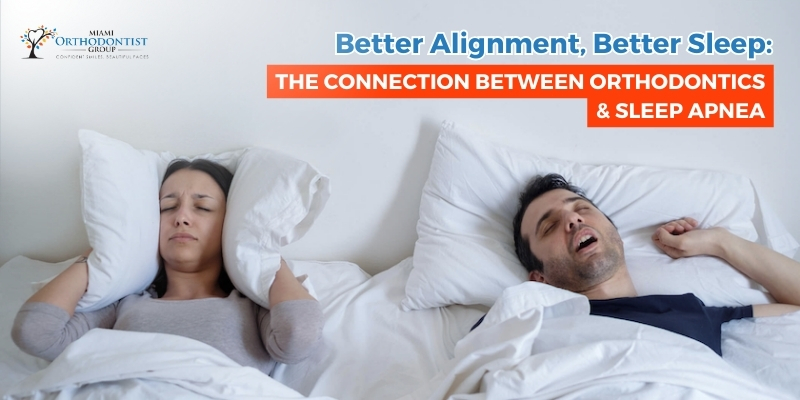
Sleep apnea is a disorder characterized by breathing discomfort during sleep, and it affects millions of people around the globe. Poorly aligned teeth cause it, impacting sleep quality and giving you a good night’s sleep or a stressful one.
This guide addresses sleep apnea and orthodontic treatment procedures, their contribution to sleep patterns, and their aim toward dental health and airway function.
The Connection Between Orthodontics and Sleep Apnea
Sleep apnea leads to poor breathing due to a change in the position of the soft palate and tongue. According to research, orthodontic health and sleep apnea are connected, even though this disorder is a common respiratory health problem. Dental misalignment, narrow jaw, or protruding jawline can impact sinus health and disrupt sleep patterns, leading to sleep apnea.
1. Anatomical Factors
The jaw and airway structure can influence sleeping and breathing patterns. If you suffer orthodontic issues like a recessed jaw and misaligned teeth, this can affect your dental health and upper airway function, making it difficult to sleep properly at night. The upper airway, including the nose, mouth, and throat, is essential for breathing. So, a slight deviation, like narrowing the airway, large tongue, large tonsils, and enlarged adenoids, can impact your sleep. A narrow jaw structure is linked to a tighter airway, which causes sleep apnea.
2. Jaw Positioning
Jaw positioning can cause soft tissues like the tongue and surrounding areas to obstruct proper breathing, which causes airway pauses during sleep. Misaligned jaws cause the lower part of the face to retract, pushing soft palates backward, eventually leading to breathing challenges like loud snoring, apnea, and interruptions during sleep.
3. Developmental Issues
Childhood is a critical period for oral development, and untreated orthodontic conditions can be a basis for future breathing difficulties, including sleep apnea. During early development, the jaw and facial structure continue to evolve, allowing improper or proper growth patterns that affect the teeth and jaw.
For example, a recessed lower or narrow upper jaw can impact the soft palate and tongue, causing airway obstruction. Without early orthodontic intervention, this can disrupt a lifetime of healthy breathing and overall well-being.
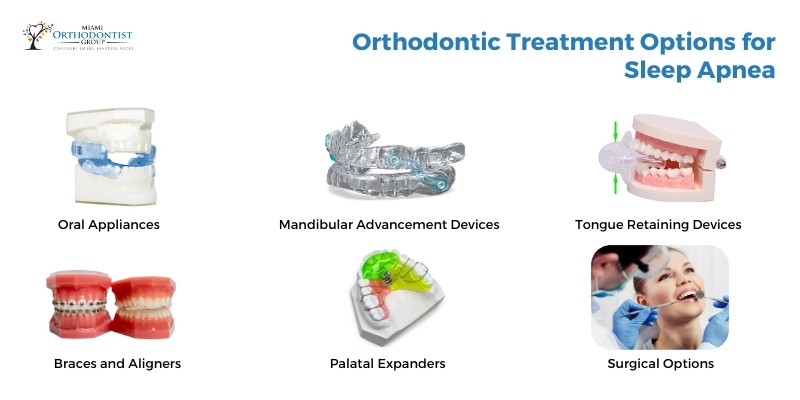 Orthodontic Treatment Options for Sleep Apnea
Orthodontic treatment is necessary, as it uses teeth and jaw correcting techniques to deal with sleep apnea problems and improve airway space. Various orthodontic treatment options are available, and you can choose a treatment depending on your specific circumstance or need.
1. Oral Appliances
Oral appliances are a perfect orthodontic approach to sleep apnea. They are similar to mouthguards; your dentist can customize them just for you. This device works by keeping the airway open during sleep and realigning the soft palate, tongue, and lower jaw. Treating sleep apnea with oral appliances effectively relieves poor sleep and breathing and improves overall well-being.
2. Mandibular Advancement Devices (MADs)
Another treatment method for sleep apnea is the Mandibular Advancement Device. It helps move the lower jaw forward to widen the airway opening for proper breathing.
The Mandibular Advancement Device prevents the soft palate and tongue from closing in on each other and obstructing the airway. The treatment is perfect for people with moderate and mild sleep apnea, offering a non-invasive and comfortable alternative to traditional therapies.
3. Tongue Retaining Devices (TRDs)
Tongue-retaining devices (TRDs) are an oral appliance designed to treat sleep apnea. They hold the tongue forward, preventing it from blocking the airway during sleep. TRDs reduce snoring and relieve tongue-related sleep apnea symptoms because they are crafted to maintain a clear airway.
4. Braces and Aligners
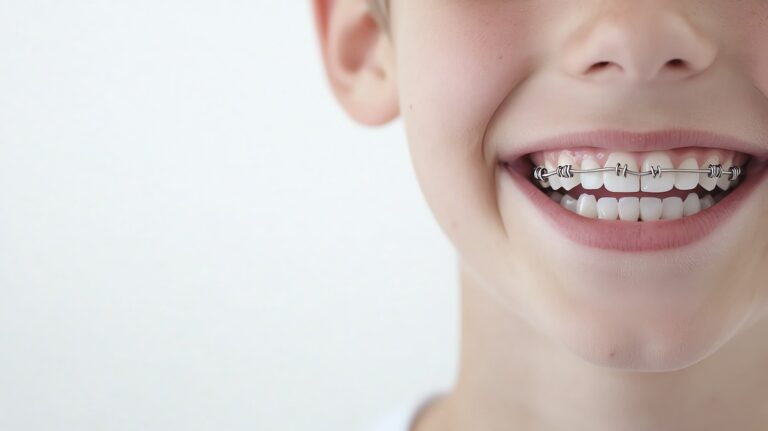
Clear aligners and traditional braces are common orthodontic treatments for misaligned teeth. They correct mild and moderate dental problems and reposition the jaw. Sleep apnea symptoms are eliminated after this treatment due to an expansion in the dental arches and teeth realignment. The therapy also creates additional space to accommodate the tongue, reducing airway obstruction.
5. Palatal Expanders
Palatal expanders are also common orthodontic treatments for sleep apnea. The device expands the upper jaw, allowing air to pass through the nasal region. The therapy is adequate for children, as it can prevent sleep apnea from developing as they grow.
6. Surgical Options
Severe orthodontic cases require jaw alignment surgery using procedures like Maxillomandibular Advancement (MMA). This treatment works by realigning the lower and upper jaws to widen the airway and improve breathing.
7. Combination Therapies
An Orthodontist can recommend combined orthodontic treatments, which involve applying several therapies alongside the treatment to manage sleep apnea. This combined approach makes the process more effective. For instance, you can combine Continuous Positive Airway Pressure (CPAP) machines with lifestyle changes and weight management.
 Benefits of Orthodontic Treatment for Sleep Apnea
There are many benefits of using the orthodontic approach to relieve sleep apnea, including:
- Non-Invasive Options: Several orthodontic treatments for sleep apnea do not require surgery, and patients prefer these alternatives to CPAP machines.
- Enhances Oral Health: Orthodontic issues are corrected to improve sleep apnea and oral health. Properly aligned teeth and jaw are less likely to develop oral problems because they are easier to clean.
- Improved Quality of Life: Orthodontic treatments solve sinus-related issues, improving overall well-being and quality of life due to proper sleep. Sinus-pressure relief enhances sleep, eliminates the odds of sleep apnea, and increases energy during the day.
- Long-Lasting Results: Addressing orthodontic treatment has advantages, especially for children in their developmental years, as it can avert the outcomes of unresolved dental and jaw-related problems, reducing oral health complications.
Conclusion
Indeed, there is a connection between orthodontics and sleep apnea, as it fixes dental and jaw alignment issues. Orthodontics addresses poor breathing and sleeping and reduces the risk of discomfort during sleep. Various approaches, including braces, expanders, surgery, and oral appliances, are used for this treatment, ultimately leading to a better quality of life.