Healthy teeth can reflect your personality, boost confidence, and excite your everyday life. However, when misaligned, they can have the opposite effect and cause physical pain and discomfort.
From severe headaches to a sting of jaw pain, sleep apnea, and digestive issues, misaligned teeth can be the underlying culprit behind many health problems. However, you can approach this problem with many teeth straightening options.
You can say goodbye to dental-related headaches and jaw pains with lifestyle changes, orthodontic treatments, and surgery.
What Are Misaligned Bites?
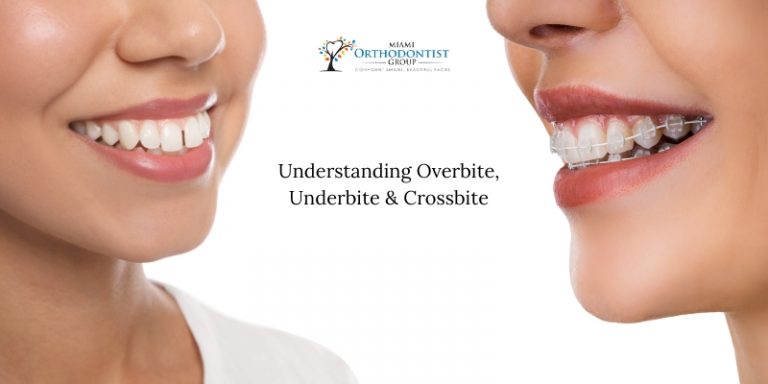
A misaligned bite happens when your jaws and teeth fail to align or fit together. It is a common dental issue that manifests in various ways, including:
- Overbite: A dental condition that causes the upper front teeth to protrude excessively over the lower teeth.
- Open Bite: A condition that occurs when the front teeth fail to overlap or meet when the back teeth are closed.
- Underbite: This happens when the lower teeth extend beyond the upper teeth.
- Crossbite: A dental issue occurs when the upper teeth bite inside the lower teeth on one or both sides of the mouth.
How Does Misaligned Bite Affect Your Daily Life?
Misaligned bite is more than a cosmetic problem because it can impact your daily life. This condition is commonly caused by thumb-sucking, genetics, and accidents, and it causes discomfort, headaches, speech problems, and jaw issues and burdens overall health.
 Connection Between Misaligned Teeth and Headaches
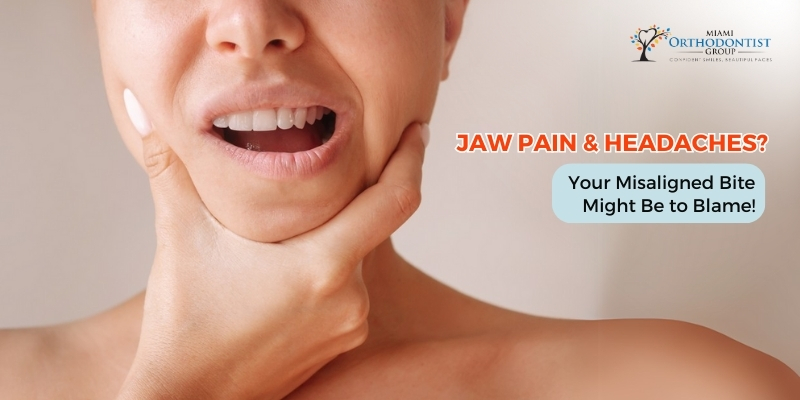
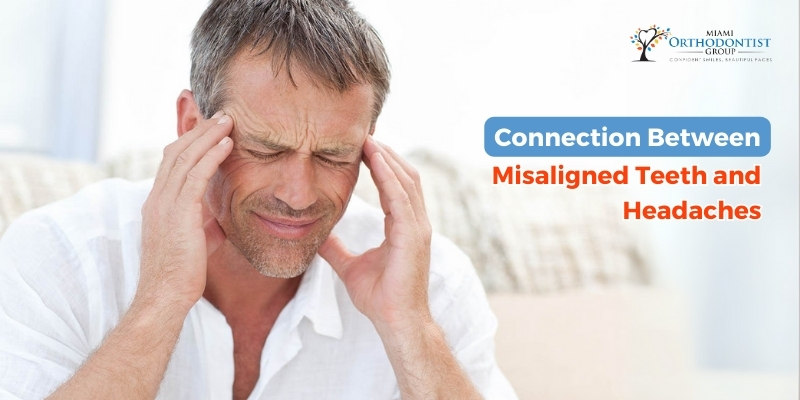
Frequent headaches occur when teeth and jaws do not fit the jaws snugly. The pain mainly starts at the base of the skull or the temples, causing strain and tension. Misalignment contributes to muscle tension, inflaming the temporalis and masseter, due to continuous stress on the teeth and jaw as they try to compensate for each other. Pain can also spread to several areas of the face, including the head, when the facial muscles react to stress caused by misalignment.
Connection Between Misaligned Teeth and Jaw Pain
Uneven teeth exert pressure on the jaw muscles due to overwork, causing tension and discomfort to the face. Prolonged stress in this area might lead to Temporomandibular joint disorder (TMJ), which causes pain in the surrounding muscles and jaw joint. Jaw pain is triggered by:
- Abnormal Bite: This happens when Misaligned teeth cause chewing and biting difficulties, leading to unparalleled pain distribution on the TMJ and surrounding muscles.
- Jaw Misalignment: An uneven jaw causing a shift and click in the facial muscle to trigger tension on the TMJ.
- Inflammation: A problem that arises from excessive strain on the surrounding muscles and TMJ. It is characterized by stiffness and pain in the jaw.
1. Effects on Eating and Chewing
Misaligned bites, including crossbite, overbite, and other bite problems, can affect eating and chewing. If you struggle to bite or grind, food may lead to digestive issues. It can also limit you from eating tricky and sticky food, as these kinds of food trigger pain when you try to consume them.
2. Speech Difficulties
Having misaligned teeth makes speaking challenging because the teeth and jaw need to work together to make this occur seamlessly. People with serious bite issues can be challenged with proper pronunciation or may linger on some words. This can devastate adults and kids, leading to reduced confidence and, sometimes, public embarrassment.
3. Breathing Issues
If your teeth are poorly positioned, one of the biggest challenges you might come across is associated with breathing. It may contribute to problems including sleep apnea, bad breath, and some respiratory issues. This happens because the airway is not wide enough to accommodate proper breathing due to trauma in the jaw, teeth, tongue, and soft palate. Aside from dry mouth, poor sleep pattern, and snoring, misalignment problems can affect your well-being and quality of life. So, you need braces for better breathing.
4. Gum Disease
Bad bites are commonly related to gum diseases or gingivitis. Gum diseases happen when teeth accumulate plaque, causing harmful bacteria to linger in the mouth and cause havoc. They target the teeth and gum line, leading to inflammation, deterioration, and tooth loss, especially if left untreated. A misalignment problem exposes the gumline, putting it at risk of tooth decay and accelerated gum recession.
5. Impact on Your General Health
Misaligned teeth also compromise overall health, and the repercussions extend beyond the mouth. They affect dental health and airway functions, influence general well-being, and disrupt sound health. Research has discovered a disturbing link between oral infections and some diseases caused by bacteria and their potential risk of developing into some chronic medical conditions, including heart diseases, stroke, diabetes, and pneumonia.
 What Can You Do About Misaligned Bites?
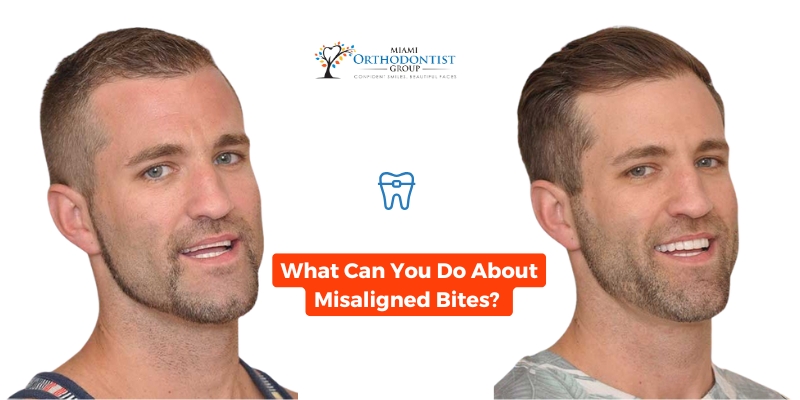
You need teeth straightening if your teeth are not correctly aligned, and if you suspect that it is causing your jaw pains, headaches, and other issues, here are some steps you can take to handle the problem and reduce devastating oral problems: here is what to do:
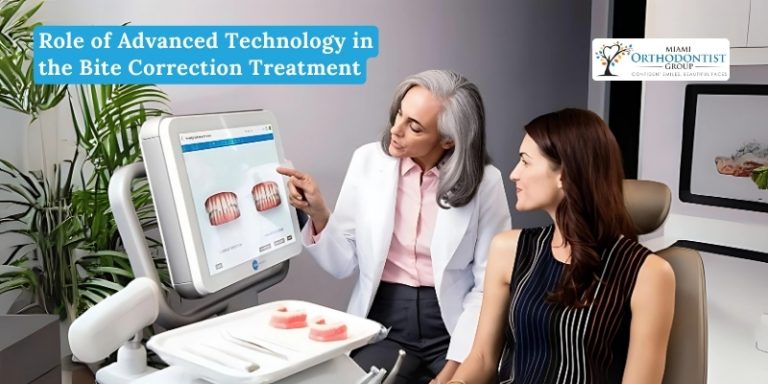
- Schedule an Appointment with an Orthodontist: Your orthodontist can assess you and recommend treatment options that work for you, including braces, expanders, clear aligners, or surgery if the case demands one.
- Practice Good Oral Habits: Misalignment can make flossing and brushing challenging. You can go for a deep cleaning and wear braces to get a straighter smile. Brushing and flossing reduce the risk of tooth decay and serious issues like periodontitis.
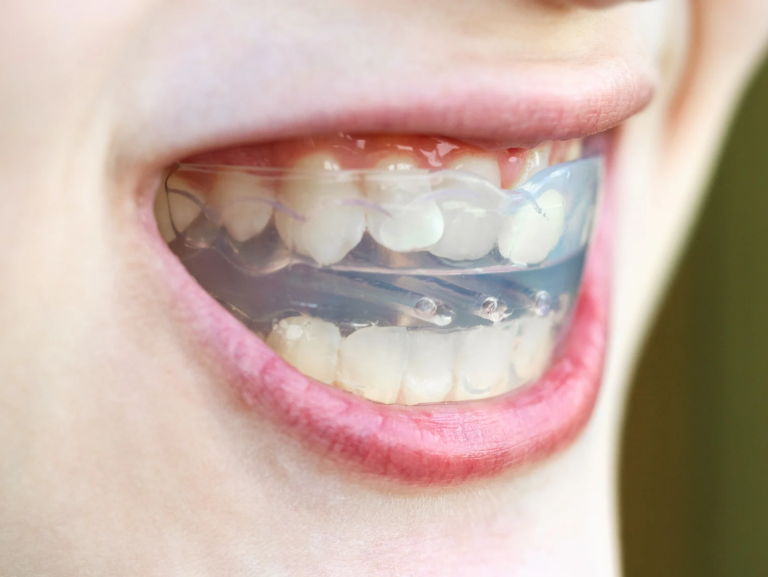
- Consider a Mouthguard: If your misalignment causes teeth grinding, loud snoring, or sleep apnea, you can wear braces for better breathing. However, protective gear like a mouthguard can also help reduce the harm inflicted on teeth by improving dental health and airway functions.
- Wear Braces or Aligners: Clear aligners like Invisalign or traditional braces are recommended for people with mild misalignment. They are worn for some time to straighten teeth and restore a healthier smile.
Conclusion
Misalignment has many painful consequences, from headaches and jaw pain to gum disease and some health issues. But there is hope through restorative dentistry, lifestyle changes, and oral health counseling. When you address the root cause of misaligned bites, you eliminate the pain it causes and enjoy a healthier life, especially with orthodontic treatment.