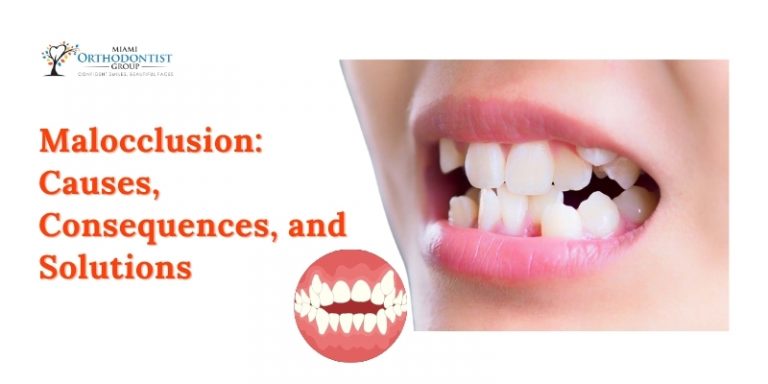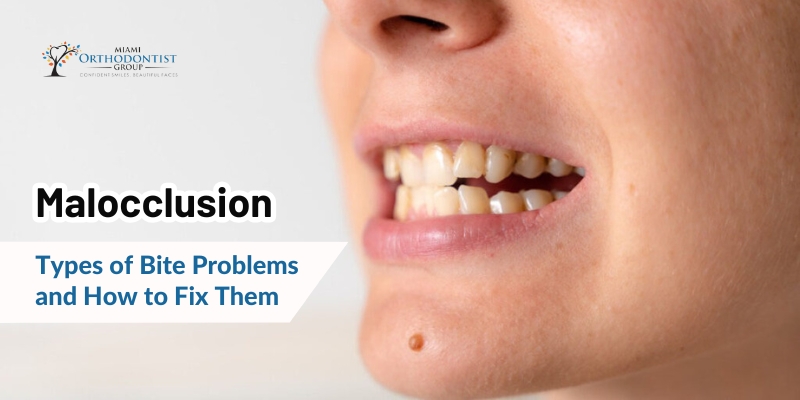
Malocclusion, commonly known as a bad bite, can reduce a person’s confidence and affect their way of life. You know you have a bad bite when your teeth and jaws are not properly aligned, leading to difficulty chewing your favorite food, speech problems, and uneven wear on your teeth.
Learning about the various types can help you identify the orthodontic treatment that addresses your issue. Most importantly, it alleviates discomfort and enhances your aesthetics and oral health.
Whether you have overbites, crossbites, openbites, or underbites, common treatments like braces and clear aligners can provide practical and long-lasting teeth-straightening results. Here is a broader look into the different types of malocclusion and how to fix them.
What Is Malocclusion?
Malocclusion refers to a misalignment of the teeth or bite, where the upper and lower jaws are not properly aligned when the mouth is closed. This can potentially cause issues with oral function and disrupt overall dental health. Crowded and crooked teeth, misaligned upper and lower teeth, and other bite irregularities can all contribute to malocclusion.
If your family has a history of misaligned teeth or bite issues, you may be more likely to experience malocclusion yourself due to hereditary factors. However, other causes can include habits, dental trauma, or tooth loss, and they all affect the placement of teeth in the jaw.
Leaving malocclusion untreated can lead to serious consequences, including an increased risk of gum disease and tooth decay. Also, if it is not addressed on time, it can impact daily functions like speaking and chewing and may even affect an individual’s mental well-being, affecting self-esteem and quality of life.
Different Types of Bite Problems
There are several types of malocclusion, including:
Overcrowding
Overcrowding occurs when the jaw has insufficient space for teeth to align, resulting in crooked or overlapping teeth. If you have this condition, you may find it challenging to clean your teeth, which could increase the risk of tooth decay and gum disease. Orthodontic treatments, such as Invisalign and braces, can address overcrowded teeth. They help to improve oral health functions and reduce aesthetic concerns.
Spacing
 Spacing is another bite problem caused by excessive space or gaps between teeth. Insufficient space in the jaw can also lead to this alignment issue. Either too little or too much space leads to this dental problem. Spacing can affect the proper eruption and alignment of permanent teeth, and it is noticeable aesthetically, potentially impacting smile appearance and self-confidence.
Open bite
An open bite occurs when the upper and lower front teeth fail to overlap, creating a noticeable gap between them. The condition may affect the sides of the mouth, leading to difficulties in chewing and biting food and speaking correctly. Orthodontic treatment can effectively correct open bites, helping a patient to achieve proper alignment and closure of the teeth.
Overjet
An overjet, or “buck teeth,” occurs when the upper front teeth protrude far beyond the lower front teeth, creating a horizontal overlap. This can lead to difficulties with biting, speaking, and chewing. It can also increase the risk of tooth wear and jaw pain. An orthodontic approach can help to correct overjet and improve other oral functions.
Overbite
An overbite occurs when the upper front teeth excessively overlap the lower front teeth. This can potentially cause the upper teeth to bite into the lower gums or the lower teeth to bite into the palate or root of the mouth, damaging gum tissue and causing discomfort.
Underbite
An underbite, also known as an anterior crossbite, occurs when the lower front teeth are placed ahead of the upper front teeth, disrupting the normal bite alignment. This bite condition can affect speaking, chewing, and aesthetics. Dental interventions like orthodontic braces and clear aligners can help correct underbites, improving appearance and oral function.
Crossbite
A crossbite occurs when the upper teeth bite inside the lower teeth, either on one or both sides of the jaw. It can affect the front, back, or both sets of teeth and lead to gum recession, uneven wear, and jaw pain. People with crossbites can have their teeth realigned through orthodontic treatment to enjoy improved oral function.
Impacted Tooth
An impacted tooth is also a type of bite problem, occurring when a tooth fails to erupt properly from the gum. This can often happen due to abnormal growth patterns or overcrowding, and it can cause gum infection or damage to surrounding teeth.
Impacted teeth may require a more intense approach, such as surgical exposure or extraction. However, orthodontic treatment with braces can also guide the tooth into proper alignment. Wisdom teeth are frequently impacted, but other teeth, like canines and premolars, can also be affected, requiring similar treatment approaches.
Missing Tooth
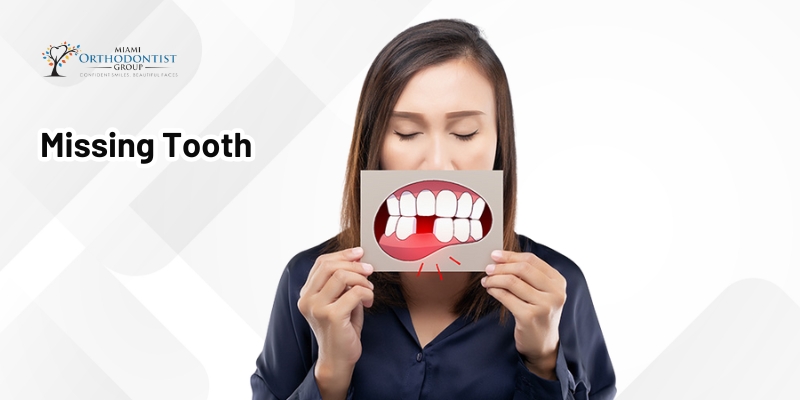 Missing teeth, or hypodontia, can result from trauma, genetic factors, or developmental issues during permanent tooth formation. This dental condition can affect one or multiple teeth and impact oral function. Treatment options for missing teeth typically include dental bridges, implants, or orthodontic braces. These approaches help close the gaps, realign surrounding teeth, and restore aesthetics and dental health.
What Approaches Can Fix Malocclusion?
Malocclusion can be fixed through various dental and orthodontic options, including:
Braces
Braces are time-tested and effective orthodontic treatments that can straighten teeth and align the jaw to fix a bad bite. Your orthodontist might suggest ceramic or metal lingual braces, depending on the severity of your bite problem and the outcome you are looking to achieve.
Retainers
Retainers are removable orthodontic devices commonly used for treating malocclusion. They are convenient and designed to fit a specific patient’s teeth and mouth. Retainers can be headgear or custom-made removable trays, and your orthodontist can suggest them to help you maintain the alignment achieved through orthodontic treatment.
Invisalign
Invisalign is a more discreet option than traditional braces, and it can treat various bite problems, including open bite, underbite, crossbite, and overbite. They are nearly invisible when worn, offering faster results than other teeth-straightening options while ensuring convenience.
Conclusion
Malocclusion is a common dental problem that can affect anyone. If your bite problem is causing you pain and discomfort, you can fix your teeth and achieve a healthier and more aligned smile. Remember that there are various types of bite problems, and you should consult your orthodontist to determine the best treatment for your specific condition.